

NHB Eyes Separate ₹15 Lakh Affordable Loan Category for Smaller Indian Cities
Housing Regulator Proposes a Separate ₹15 Lakh Loan Tier for Smaller Cities
The National Housing Bank (NHB) has proposed a separate affordable housing loan category for borrowers in Tier-II and Tier-III cities, with a ceiling of ₹15 lakh. The proposal was made by NHB Managing Director Sanjay Shukla at the CII Financing Summit 2026 in Mumbai on Thursday, 19 November 2026. It is a proposal at this stage, and the Department of Financial Services (DFS) will decide whether to adopt a separate classification.
The Story
Speaking at the summit, Shukla questioned whether the ₹25 lakh benchmark used for affordable housing should be treated as fixed across India. He pointed out that a home that counts as affordable in Mumbai may not fit the same definition in places like Bhusawal or Aurangabad, where property prices and incomes are very different. NHB has written to the DFS seeking a separate classification in which housing loans of up to ₹15 lakh in Tier-II and Tier-III cities would count as affordable housing loans. Shukla said NHB is consulting various ministries and stakeholders on how such loans should be classified. He also noted that NHB has disbursed ₹66,000 crore under the Affordable Housing Fund, supporting 6.2 lakh dwelling units. Under the earlier PMAY-Urban Credit Linked Subsidy Scheme, NHB disbursed ₹49,000 crore, benefiting close to 21 lakh beneficiaries.
What This Means If You Are Buying
For a buyer in a smaller city, the proposal could change how lenders price and approve loans. A separate ₹15 lakh tier would recognise that a flat in Bhusawal or Aurangabad costs far less than one in Mumbai, so a borrower in those towns may fit more comfortably within an affordable category. Still, a classification proposal does not change any sanction limit, interest rate or subsidy today. Nothing changes for a loan you apply for this month. Buyers should also remember that a lower cost home is not automatically a better investment. Resale demand, job base and road and rail links decide how easily a property can be rented or sold later. Lenders also face an asset-liability mismatch, because housing loans usually run for 15 to 20 years while many lenders borrow for five to seven years. That mismatch is one reason the industry expects a 25 to 50 basis point rate rise, which would make EMIs slightly higher for new borrowers.
Synergy Infracon's Take
We read this as a sensible move toward location-based lending. A single national ceiling has never fitted every market, and treating a Bhusawal buyer the same as a Mumbai buyer has often pushed smaller-city borrowers out of the affordable bracket. What we are less sure about is timing. The proposal sits with the DFS, and the consultations NHB has described will take time before any rule is framed. Our channel partner teams see that buyers in smaller cities often respond quickly to headlines like this and rush into decisions. We would rather they treat the news as a signal to plan. Lending conditions that are favourable today can shift once a rate cycle turns, and the buyers who fare best are those who check their eligibility, budget and loan options before they commit.
What We Would Advise Right Now
- Check your loan eligibility with two or three lenders before you assume a ₹15 lakh or ₹25 lakh category applies to you. Eligibility depends on your income, existing EMIs and the lender's own policy.
- Keep your budget at a level you could still afford if EMIs rise by a quarter of a percentage point or more. The industry expects a rate rise, so build in some room.
- Look closely at the locality, not just the price. Check road and rail links, the local job base and rental demand before you buy in a Tier-II or Tier-III city.
- Verify the developer's track record and the project's RERA registration on the state portal before paying any booking amount.
- If you are an investor, avoid buying purely on the expectation that a new loan category will lift prices. Policy changes of this kind take time to reach the market, and prices move on local demand.
Related Projects We Cover
- Aurangabad: a fast-growing Tier-II city in Maharashtra, where many buyers would fall within the proposed ₹15 lakh ceiling depending on the unit.
- Bhusawal: a smaller Maharashtra town that NHB cited as an example of markets where property prices differ sharply from Mumbai.
- Mumbai: the metropolitan benchmark against which the proposed smaller-city classification is being measured, and where affordable housing thresholds remain much higher.
Locations covered
Cities
Related News
 Investment
Adani Group's Rs 2.2 Trillion FY27 Capex Plan: Read Mumbai Housing Impact Carefully
Adani Group plans Rs 2.2 trillion capex in FY27 with up to $10 billion for data centres. Here is what the news means for Mumbai buyers and investors.
 Policy
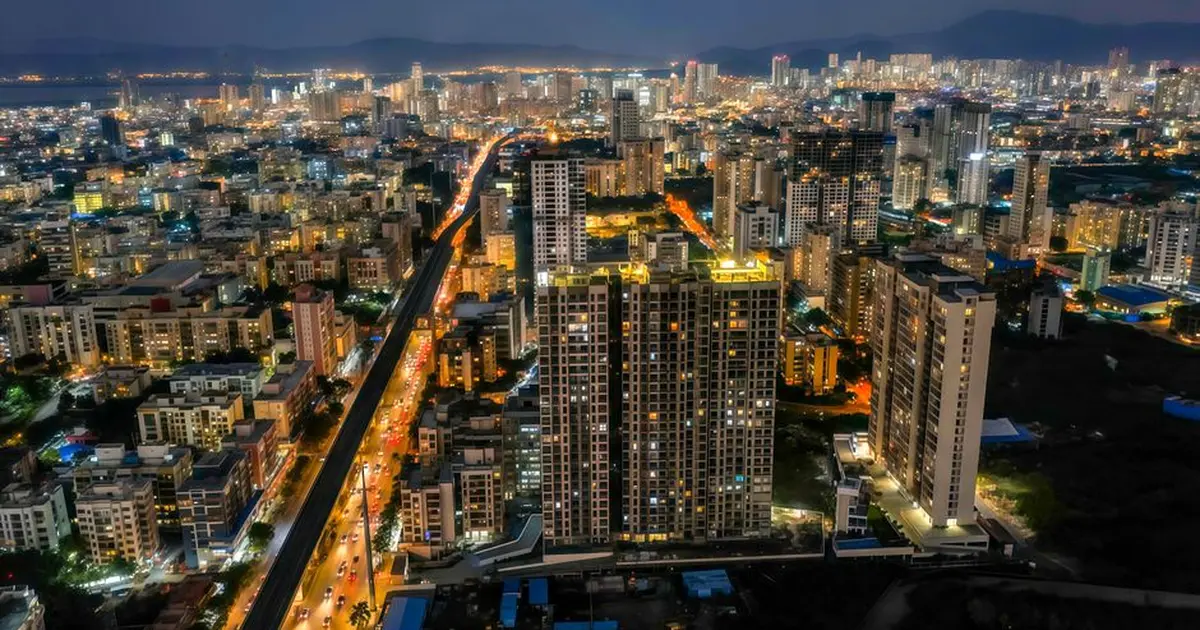
Maharashtra Finalises Navi Mumbai Plan Changes Across Seven Nodes
Maharashtra has notified the rest of the Navi Mumbai Development Plan, keeping the green belt and seven-node land-use changes. What buyers should weigh.
 Market Update
Mumbai Data Centre Pipeline Grows to 34 Sites as Large Facilities Gain Share
Knight Frank says Mumbai's data centre pipeline rose to 34 facilities in Q3 2026, up 9.7%. What larger 100 MW-plus sites could mean for Mumbai buyers. NONE.
 Policy
CREDAI Pushes for Rs 90 Lakh Affordable Cap and 5% Land Gains Tax
CREDAI asks the Union Budget 2027-28 to lift the affordable price ceiling to Rs 90 lakh and cut land capital gains to 5%. Here is what home buyers and.