
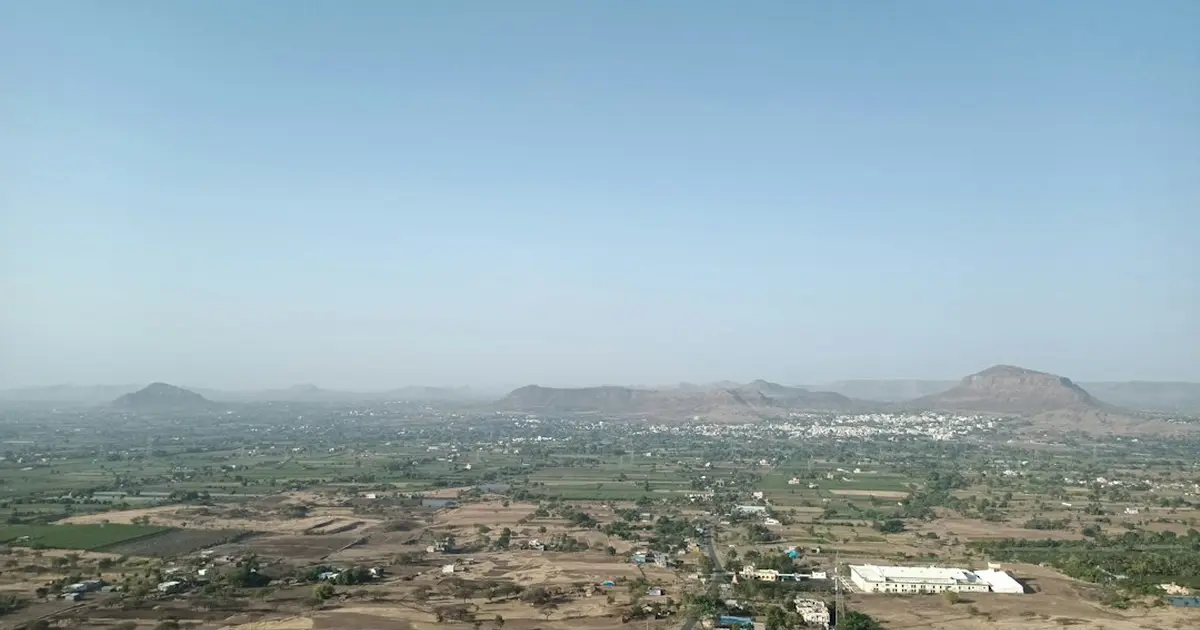
Falling Land Deals Signal Caution: A Buyer's Guide for 2026
Developers Cut Land Buying by 56% in Early 2026: What Buyers Should Know
Developers bought far less land in the first nine months of 2026 than they did a year earlier, and that shift matters for anyone thinking about a home or an investment in the next few quarters. Real estate consultancy Anarock Group released the figures on Wednesday, 11 November 2026, and they point to a more cautious industry that is choosing its sites carefully rather than stockpiling them.
The Story
According to Anarock's land services data, developers completed 76 land transactions covering roughly 1,445 acres between January and September 2026. In the same period of 2025, the count was 99 deals covering close to 3,292 acres. That works out to a drop of about 23% in the number of transactions and about 56% in the total acreage acquired.
Mayank Saksena, managing director and chief executive officer of Land Services at Anarock Group, said developers are adopting a more cautious and selective acquisition strategy. Anarock links the slowdown to rising land costs and concerns about project viability after three years of rapid expansion.
Joint development agreements, where a landowner contributes the plot and a developer handles construction, financing and execution, made up 19 of the 76 deals, or 25%. That share has roughly doubled since 2022. Deals involving parcels of 50 acres or more fell to five in the nine-month period, down from 12 a year earlier.
What This Means If You're Buying
A slowdown in land acquisition does not automatically mean property prices will fall. Land is only one input in the cost of a finished home, and the data shows developers slowing their purchases rather than abandoning development. What it does suggest is that fewer large new townships may be launched in the coming years, and that competition for well-located sites will stay intense in the best corridors.
For buyers, the practical effect is likely to be more selective launches. Developers who still buy land now are more likely to pick parcels with clear approvals, strong connectivity and sound project economics. That can be good news for a buyer who values a site that has already been vetted, but it also means you should compare how far a project sits from jobs, transit and essential services rather than relying on a launch-day brochure.
The geography of land buying is also shifting. Between 2022 and September 2026, the Mumbai Metropolitan Region led acquisitions with about 2,798 acres, followed by the National Capital Region with about 2,012 acres. Meanwhile, nearly half of the 61 large transactions of 50 acres or more recorded since 2022 took place outside the seven established metros. Buyers looking at emerging cities may find more new supply there over time, though they should still judge each locality on its own infrastructure.
Synergy Infracon's Take
We read this data as a sign of discipline rather than distress. Developers who spent heavily on land during the boom years are now more exposed to financing costs and approval delays, so they are sensibly choosing fewer, better sites. We agree with that approach, and we think it will reward buyers who choose projects with clear title, realistic timelines and a track record of delivery.
Where we differ from some market commentary is on what the drop means for prices in the short run. A smaller pipeline of new land can support pricing in established localities, but it does not guarantee appreciation in every micro-market. We would rather see a buyer decide on the merits of a specific home, its locality and its builder than on a general view of the land cycle.
What We'd Advise Right Now
- Do not treat the land slowdown as a reason to rush. Fewer new launches can mean more time to compare options before you commit.
- Focus on projects where the developer already holds the land and has a visible delivery history, rather than on promises tied to future acquisitions.
- Check the travel time to your workplace, the nearest metro or rail link and the main road access at peak hours, not just on a weekend visit.
- Ask for the payment schedule in writing and tie each instalment to construction progress you can verify on a site visit.
- If you are investing rather than buying to live in, look at rental demand in the locality first, and do not assume that scarcity of land will lift your returns.
Our sales team can arrange site visits, compare shortlisted projects side by side and walk you through the paperwork so that you make the decision with full information.
Related Projects We Cover
- Sobha Avalon Gift City Ahmedabad: a project in the Ahmedabad region, one of the smaller markets where the report recorded notable acreage.
- Hoabl Ahmedabad Plotted Development: a plotted option in Ahmedabad for buyers who prefer independent land ownership.
- Rustomjee Karjat: a project in the Karjat area, which sits within the wider Mumbai Metropolitan Region.
- Adani Borivali East: a Mumbai address in the Borivali area, part of the city's most actively contested land market.
- Runwal Alibaug Township: a township option for buyers exploring locations beyond the core metro.
Projects mentioned in this article
 Under Construction
Sobha Avalon Gift City Ahmedabad
by Sobha
Gift City, Gandhinagar
₹1.25 Cr - ₹3.87 Cr
1 BHK, 1.5 BHK, 2 BHK, 3 BHK, 3 BHK Duplex
 Pre-Launch
 Upcoming
Runwal Alibaug Township
by Runwal
Alibaug, Alibaug
Price on Request
2 BHK, 3 BHK, villas & plots expected
 Upcoming
Rustomjee Karjat
by Rustomjee
Karjat, Karjat
₹1.5 Cr - ₹7 Cr
Residential Plots (1,500-7,000 sq.ft.), Villas
Developers mentioned


Locations covered
Cities
Localities
Related News
 News
Worli Office Buys at Rs 163 Cr: What Buyers Should Check Now
Investor Mukul Agrawal paid Rs 163.08 crore for 20,000 sq ft in Lodha's Worli office tower. Here is what buyers and investors should weigh before.
 Market Update
Konkan Coast, Dapoli property market update for buyers — November 2026
Konkan Coast, Dapoli market update for November 2026: a 70-key resort facing the Arabian Sea opened, and the 388 km Konkan Expressway plan moved forward.
 Market Update
Sector 89, Neharpar, Faridabad property market update for buyers — November 2026
Sector 89, Neharpar Faridabad: average apartment rate ₹7,400/sq ft, rent ₹18/sq ft, and drainage works approved 10 Sep 2026. What buyers should check now.
 Market Update
Ballabhgarh, Faridabad property market update for buyers — November 2026
Ballabhgarh, Faridabad update for November 2026: Haryana clears Ballabgarh–Palwal Metro feasibility, with two owner listings posted in September for.